
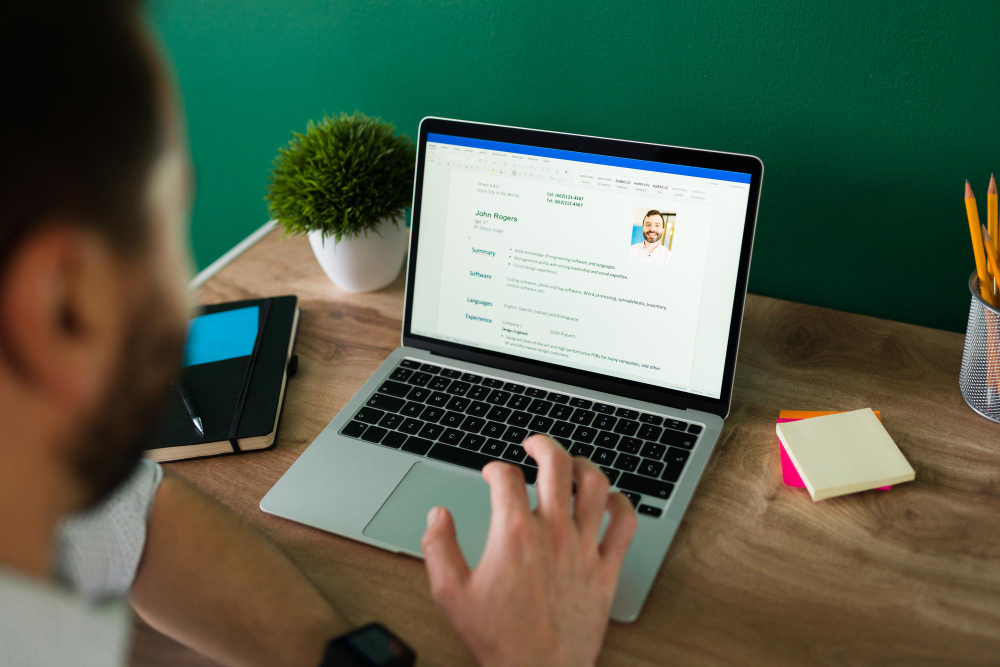
If someone visited your LinkedIn profile today, what impression would they form in the first 10 seconds?
Before replying to a proposal, agreeing to a meeting or considering working with you, many professionals will quickly check your LinkedIn profile. What they see often shapes their perception before a conversation even begins.
Small details on your profile can significantly influence how your expertise is interpreted.
Many professionals don’t realise that simple issues on their LinkedIn profiles may quietly weaken their credibility and professional positioning.
Here are eight common LinkedIn profile mistakes that may be costing you opportunities.
How does your profile compare?
Curious how your LinkedIn profile measures up?
A LinkedIn Positioning Diagnostic Tool is currently being developed to help professionals evaluate how clearly their expertise and professional brand are communicated.
It will be available soon!
1. An Unprofessional or Outdated Profile Photo
Your profile photo is one of the first elements people notice.
Low-quality images, casual photos, or pictures that are poorly cropped can create an unprofessional impression. A surprisingly common mistake is using graduation photos from many years ago, which may no longer represent your current professional image.
A strong LinkedIn photo should be:
• clear and high-resolution
• professionally presented
• well-lit with a neutral background
A simple, professional headshot can significantly improve the credibility of your profile.
2. An Incomplete Profile
Many LinkedIn profiles are missing important elements such as:
• a cover image
• a detailed summary
• skills and certifications
• a featured section
An incomplete profile can signal inactivity or a lack of attention to detail.
Completing your profile sections helps visitors understand your experience and expertise more clearly while also strengthening the professionalism of your presence.
3. Outdated or Incorrect Experience Information
Another common issue is outdated experience information.
Some professionals forget to update their roles when they change jobs, while others fail to link their experience to the correct company page.
Selecting the correct company page is important because it:
• connects your profile to the organisation’s LinkedIn page
• strengthens credibility
• ensures company branding appears correctly on your profile.
Keeping your experience current ensures that your profile accurately reflects your professional journey.
4. A Headline That Only Lists a Job Title
Many professionals simply list their job title in the headline section.
However, your job title does not fully define your expertise or the value you create. The headline is one of the most visible elements of your profile and should communicate more than just your role.
A strong headline should help visitors quickly understand:
• what you do
• who you help
• the value you create.
Your title may describe your role, but your headline should communicate your professional positioning.
5. Experience Descriptions That Don’t Communicate Value
Many LinkedIn profiles list responsibilities but fail to communicate the impact of the work performed.
Your experience section should tell a clear professional story about the value you create. Many professionals work with specialists to ensure their profiles communicate expertise clearly through LinkedIn profile and brand management. This can be achieved by combining both quantitative and qualitative insights.
For example:
• measurable outcomes such as growth, engagement or revenue improvements
• strategic contributions such as leadership, innovation or problem-solving.
This approach helps readers understand not only what you did, but the value you delivered.
6. Weak Credibility Signals
Profiles without credibility signals can appear less trustworthy.
Credibility can be reinforced through elements such as:
• professional certifications
• recommendations from colleagues or clients
• featured projects or publications
• professional achievements.
These signals help validate your expertise and strengthen trust with visitors reviewing your profile.
7. Content That Only Focuses on Work
Some professionals rarely post on LinkedIn, while others only share content related strictly to work updates or company announcements.
While professional insights are important, people also connect with authentic perspectives and personality. Sharing occasional reflections, lessons learned, or perspectives on your industry helps others better understand how you think and what you value professionally.
This balance helps build stronger connections and reinforces credibility over time.
8. Not Customising Your LinkedIn URL
Many professionals leave their LinkedIn profile URL as a long string of random characters.
For example:
linkedin.com/in/john-smith-9483920183
Customising your LinkedIn URL creates a cleaner and more professional link, such as:
linkedin.com/in/johnsmith
A customised URL:
• looks more professional
• is easier to share
• strengthens personal branding.
LinkedIn allows users to customise their profile URLs directly in their profile settings.
Quick LinkedIn Profile Check
A quick way to evaluate your LinkedIn profile is to ask yourself a few simple questions:
• Is your headline clear and descriptive?
• Does your experience communicate measurable impact?
• Is your profile photo professional and current?
• Does your summary explain the value you create?
If the answer to several of these questions is no, your LinkedIn profile may benefit from a few strategic improvements.
Strengthen Your LinkedIn Positioning
Your LinkedIn profile should clearly communicate your expertise and professional positioning.
By addressing common issues such as incomplete information, unclear messaging, or outdated experience, professionals can ensure that their profile supports rather than weakens their professional opportunities.
If you’re ready to approach LinkedIn more strategically, explore our
👉 LinkedIn Profile and Brand Management service
https://nexusdigitalmarketingtt.com/services/linkedin-profile-and-brand-management
Or connect with us directly here:
👉 https://nexusdigitalmarketingtt.com/contact
Your LinkedIn presence should be intentional — not incidental.
.png)